

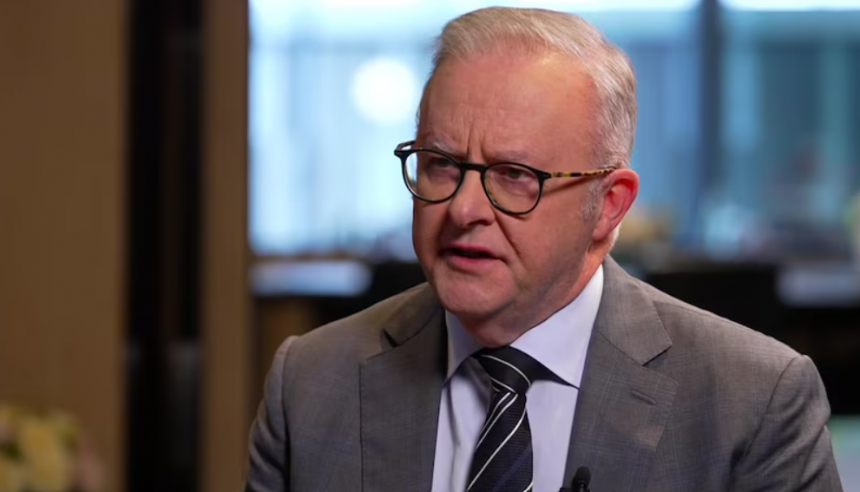

Anthony Albanese, the 31st Prime Minister of Australia, represents a significant shift in the country’s political leadership. Known for his pragmatic approach and focus on social equity, Albanese has built a career rooted in public service and a deep connection to working-class values.
Born in Sydney in 1963, Albanese was raised by a single mother in public housing—a background that has profoundly influenced his political worldview. His early life experiences shaped his commitment to issues such as education, healthcare, and economic opportunity, which have remained central to his policy agenda.
Albanese entered politics in the 1990s, quickly establishing himself as a skilled communicator and strategic thinker within the Australian Labor Party. Over the years, he held various ministerial roles, including Minister for Infrastructure and Transport, where he oversaw significant national projects and developed a reputation for effective governance.
His leadership style is often described as measured and collaborative. Unlike more combative political figures, Albanese emphasizes consensus-building and long-term planning. This approach has been particularly evident in his handling of complex issues such as climate policy, economic recovery, and international relations.
As Prime Minister, Albanese has focused on restoring stability and trust in government. His administration has prioritized initiatives aimed at addressing cost-of-living pressures, strengthening healthcare systems, and advancing renewable energy. At the same time, he has sought to position Australia as a constructive player on the global stage, emphasizing diplomacy and regional cooperation.
One of the defining features of Albanese’s leadership is his ability to balance idealism with pragmatism. While he remains committed to progressive values, he has demonstrated a willingness to adapt policies to changing circumstances. This flexibility has been both a strength and a point of criticism, reflecting the inherent tensions of political leadership.
Albanese’s journey—from public housing to the highest office in the country—resonates with many Australians. It underscores the possibility of upward mobility and the importance of representation in political institutions.
In a rapidly changing global landscape, Albanese’s leadership will continue to be tested. However, his emphasis on stability, inclusivity, and practical solutions positions him as a defining figure in contemporary Australian politics.