
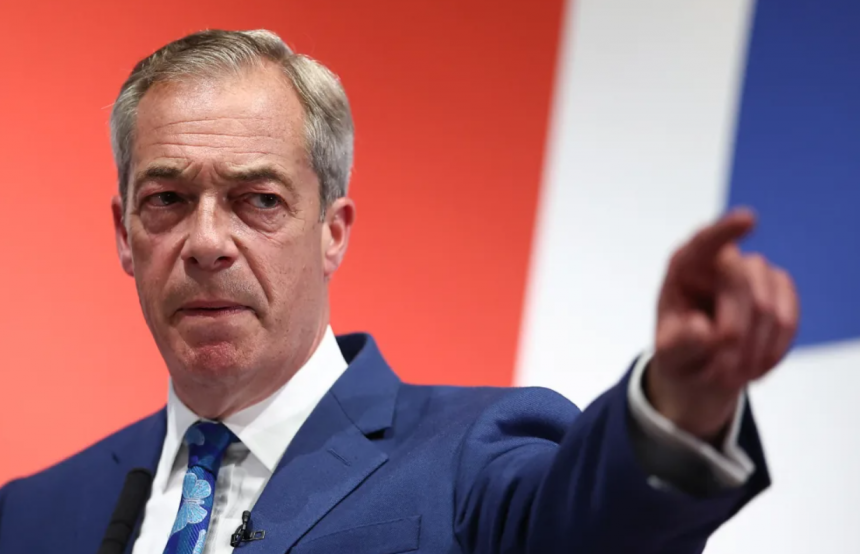

Nigel Farage is one of the most recognizable figures in modern British politics. Over several decades, he has played an influential role in political discussions surrounding national sovereignty, European integration, and democratic representation. His career has generated both strong support and significant criticism, making him one of the most discussed public figures in the United Kingdom.
Born in England in 1964, Farage initially pursued a career in finance before entering politics. His experience in the financial sector provided him with exposure to economic issues and international markets, subjects that would later feature prominently in his political arguments.
Farage became involved with political movements that advocated for changes in Britain’s relationship with the European Union. Over time, he emerged as one of the most visible advocates for greater national control over legislation, trade, and immigration policy. His communication style, often characterized by direct language and accessible messaging, helped him connect with many voters who felt disconnected from traditional political institutions.
Throughout his political career, Farage served as a member of the European Parliament. During this period, he frequently participated in debates concerning European governance, economic policy, and democratic accountability. His speeches attracted attention not only in the United Kingdom but across Europe, often generating extensive media coverage.
One of the defining moments of Farage’s political journey was his involvement in the campaign leading up to the 2016 referendum on the United Kingdom’s membership in the European Union. The referendum became one of the most significant political events in modern British history, with Farage serving as one of the campaign’s most recognizable public advocates for leaving the EU.
Following the referendum, Farage remained active in public life through political commentary, media appearances, and participation in ongoing national debates. His influence has extended beyond electoral politics, contributing to broader discussions about globalization, national identity, governance, and democratic participation.
Supporters often praise Farage for challenging established political structures and raising issues they believe were overlooked by mainstream parties. Critics, meanwhile, argue that some of his positions and rhetoric have contributed to political polarization. These differing perspectives illustrate the complex and often contentious nature of modern political discourse.
In addition to politics, Farage has developed a substantial media presence. Through television appearances, interviews, and commentary programs, he continues to engage with audiences on current affairs and public policy. This visibility has helped maintain his relevance even during periods when he was not holding elected office.
Farage’s career highlights the evolving relationship between politics and media in the twenty-first century. His ability to communicate directly with supporters, generate public discussion, and remain a prominent figure in national conversations demonstrates the growing importance of personal branding and media engagement in contemporary politics.
Whether viewed as a reformer, a disruptor, or simply a highly influential political communicator, Nigel Farage occupies a significant place in recent British political history. His role in major national debates ensures that his impact will remain a subject of discussion for years to come.